



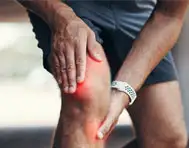









Oranges for Health: to Eat or Drink?
Science confirms that oranges are a rich source of vitamin C which has healing properties, acts as an antioxidant and boosts your immune system. Vitamin C also possibly has cholesterol lowering benefits, protects against heart disease, protects against rheumatoid arthritis, stomach cancer, kidney stones and aids in good respiratory heath. So there is no doubt that oranges are great for your health!
Apart from vitamin C, oranges are a great source of dietary fiber, vitamin B1, pantothenic acid, vitamin A, folate, calcium, copper and potassium. But whether should you eat the fruit or drink its juice is the burning question today. In your morning breakfast, after the gym, or as a serving to a guest, orange juice is an all time favorite. We always carry the guilt of not eating the fruit in its natural form and depriving the body of essential dietary fiber though. Is there a need to feel guilty at all? We have always heard from grandmothers and nutritionists that eating oranges is better than opting for a serving of squeezed juice.
Read more


Orthopedic Shoes: Fashion Friend or Foe?
They are the butt of many jokes but orthopedic shoes are actually a godsend for countless people. Shoes of this kind provide support and relief from pain for those who suffer from a wide variety of afflictions. If you are experiencing discomfort in your feet, ankles or legs then you could benefit from wearing orthopedic shoes. They are simply shoes that are designed to make sure to allow feet their natural shape. This is especially important when we wear shoes for extended periods of time. Many years ago these shoes were primarily designed to be functional with no thought given to the fashion aspect. However, today this is fortunately not the case. There is now a wide range of pain-relieving shoes available that often can’t be told apart from normal shoes!
Read more


Vitamin D Winter Woes? Beat them Now!
We all love white winters and enjoy the season indoors with warm food, loved ones and television. We also associate winters with skin troubles like dry skin, chapped lips, etc. But the health problems that this cozy season can lead to are far more serious than this. During winter minimal amount of sunlight reaches us. The ultraviolet rays that are part of sunlight are essential for production of vitamin D in our skin. Vitamin D is a very crucial vitamin for our bodies, for bone development and growth, to maintain healthy bones, for absorption of calcium depends on vitamin D. For a healthy, fracture-free life we need our daily dose of vitamin D. The richest natural source of this is sunlight which is robbed during winters.
Read more

Direct vs Computed Radiography
If you've ever suffered from a fracture, you've probably received at least one X-Ray. X-Ray technology has improved tremendously over the years. Long gone are the days when most x-rays were taken and processed in dark rooms full of dangerous chemicals. Now, various systems compete to provide the highest quality x-rays in the least time and at the lowest dose. See our previous article on the advantages of direct radiography for an explanation of the technological differences. Onto Orthopedics has taken a large step into the future by adopting a latest generation direct radiography x-ray detector.
How apparent are these image quality improvements in the final x-ray image? When using the latest generation direct x-ray detector, image quality is usually so much better that even an untrained viewer will notice! Even better, this image quality can often be realized with the same or less dose of radiation when compared with a computed radiography system. Direct radiography systems are also typically much faster- getting you your diagnosis quicker than ever.
Read more
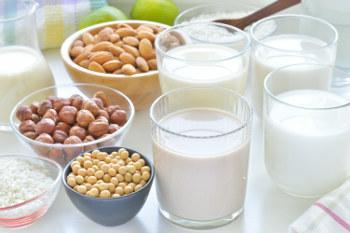
Milk: The Universal Superfood
Milk is an indispensible component of most of our daily diets. Milk is a complete food. It was the original super food. Milk has found its place in different religions, traditions and culture. Throughout the world be it in the east or west, its availability cannot be denied. Milk and dairy products like cheese, butter, etc are part of our daily meals. Different sources of milk are humans, cows, goats, sheep, camels, etc. Nowadays, a number of alternatives are available like soy milk, almond milk, and more for people with lactose intolerance. But have you ever given a thought as to how much milk can benefit your health?
- The backbone of your Health: Milk is a rich source of calcium, and it contains nutrients such as vitamin A, vitamin B12, carbohydrates, phosphorus, selenium, magnesium, protein, zinc and riboflavin. These vitamins, minerals and trace elements fulfill vital roles in various metabolic functions of the body. Calcium promotes healthy bone growth in children and maintains bone strength in adults. Calcium, magnesium, phosphorus, and protein are very important for healthy bone formation, growth and development. The functioning, durability, and repair of our bone and skeletal system are all dependent on them. Calcium maintains bone mineral density preventing fractures. Read more

Stomach Infection? A blessing in disguise!
Scientists and researchers are forever on the lookout for newer therapies and are developing better drugs for patients with chronic conditions like rheumatoid arthritis. Now, research published in the journal Annals of the Rheumatic Diseases says that recent gut and urinary tract infections may reduce your chances of developing rheumatoid arthritis. This is extremely exciting news and has great potential to develop targeted therapy for rheumatoid arthritis in the future. You may be curious to know if this is even possible! And if so, then how?
Rheumatoid arthritis is an auto immune disorder in which one’s own immune system attacks the joints and other organs. Painful joints, swelling, disability and deformities over time are common features of rheumatoid arthritis. Women are affected more than men by rheumatoid arthritis. Millions of people worldwide suffer from this painful disease.
Read more

A Second Option for Quality Care
Medical care and treatment is a necessity for quality living. With the Affordable Care Act, our country has attempted to expand access to healthcare at the expense of quality. A doctor bears the responsibility of understanding the medical needs of the patient and delivering quality health care. However, in certain cases the patient may not be satisfied with the opinion of a physician. In such cases, the patient has the sole right to seek a second medical opinion to ensure that he gets optimum and desired health care up to his satisfaction. Here are some of the reasons where a second medical opinion is genuinely recommended:
Read more

5 Fat-Busting Winter Activities
Winter and snowfall bring with them a sense of peace and tranquil. It can be a lot of fun to keep a calm mind in activities that are physically invigorating. Winter sports not only help keep you warm but also endow innumerable health benefits to the body by strengthening muscles and keeping up its agility. Both of these tend to drop with temperature. [1] While you take up these winter sports be sure to keep to safe terrain, wear ample warm clothing and carry enough safety gear to prevent untoward injuries. So get out your stowed away winter gear and let the snow bring out that hidden talent in you!
Some beckoning winter sports this season are:
1. Cross Country Skiing:
Read more
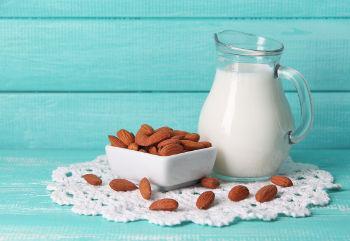
KNOW YOUR BONES!
We all wish to have strong bones required to lead an active life, but exercising is probably the hardest thing to do. The mantra often is to cut extra calories to the bone and stock your kitchen with some bone-friendly food. This article aims at making you your own dietician so that you can calculate for yourself what food and how much of it your body needs.
First, it’s important to consume an adequate amount of nutrients for strong bones. As recommended by the United States Food and Drug Administration (FDA), the daily requirement of calcium for an adult is 1000mg/day and that of vitamin D is 600IU/day. [1] While calcium can be derived from various foods, vitamin D is synthesized by the skin with the help of sunlight. An exposure to sunlight for 5 – 30 minutes from 10a.m. to 5p.m. twice a week can provide enough vitamin D for healthy bones.
The top 5 foods for healthy bones have been listed below,
1. Dairy products
Milk – Easily available in every corner of the world, this wonder food is packed with nutrients. 1 cup or 8 ounces of milk contain 305mg of calcium. So, people who can drink 3 glasses of milk a day can keep broken bones far away. Those who dislike milk can turn it into a fruit smoothie, or opt for yogurt and cheese instead.
Read more
Fight Winter Inactivity with Exercise!
 We make hay while the sun shines, but as soon as the temperature falls we dread leaving the cozy, warm indoors. All the health activities that we pursue all year round take a back seat and our bodies get used to the inactivity. Today you have multiple options of staying fit indoors even during the cold winters without falling sick. The only safety precaution is to wear warm clothing in layers and not to overdo any activity. It’s time to get off your couch and begin the calorie burn!
A few simple ways of exercising and maintaining fitness during the winters have been listed below:
1. Walking:
Yes! Walking can be fun even in the snow. In fact, walking in the snow tends to burn double the amount of calories than walking on a plain surface as you need to push harder to pave your way through the snow. Remember to wear the winter clothing in layers so that you can pull them off as you get warmer. [1] And while you are walking in the snow, a little bit of slow running or playing around can increase the fat burning and also increase cardiovascular endurance. Make sure it’s all on snow, never ice!
2. Take the stairs or the street:
Read more